siding contractors San Francisco
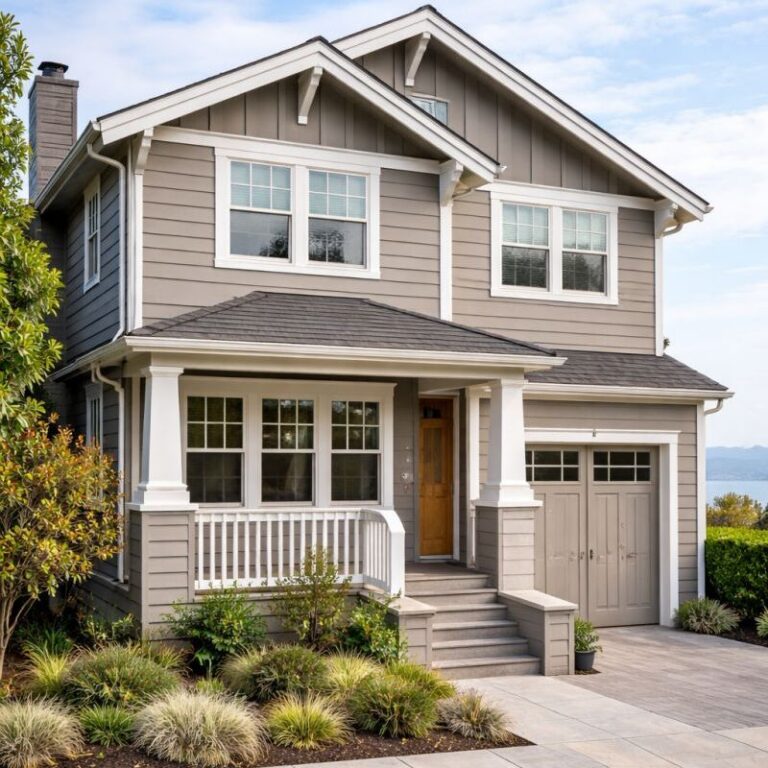
Modern Siding Trends for San Francisco ADUs and Renovations
Accessory dwelling units and whole-home renovations across San Francisco demand exterior systems that can take fog, wind, and salt air without sacrificing style. The market has shifted toward durable claddings, smarter waterproofing, and assemblies that work with tight lot lines and mixed architectural stock. The following field guide explains what is working in the 7x7 today, how siding choices interact with window replacement, and why local compliance often drives the best technical answers.
Why San Francisco homes need a different exterior playbook
Neighborhood microclimates, historic facades, and space constraints force unique decisions on every project. The Sunset and Richmond District see heavy fog and salt spray. Pacific Heights and the Marina District bring historic detail and strict expectations on curb appeal. Potrero Hill and the Mission District can be warmer and windier, with frequent third-story additions and ADUs tucked into garages or rear yards.
Moisture and salt air management come first. Assemblies that breathe, drain, and resist corrosion last longer and reduce maintenance. Fiber cement siding built for HZ10 coastal conditions resists rot and holds paint. Cedar shingles allow historic blending when profiles match original patterns. Rainscreen gaps improve drying behind any cladding. Stainless steel or hot-dip galvanized fasteners prevent staining and fastener failure at the coast.
Local permitting also matters. The San Francisco Department of Building Inspection requires 2026 DBI permit compliance for siding replacement that changes the building envelope. In-kind replacement can be streamlined through the online portal, but new assemblies, window layouts, or ADU conversions often require plan review. Title 24 energy targets push continuous insulation and tight window integration. Lot line walls call for fire-rated details and noncombustible claddings near property boundaries.
Current siding materials that perform in the Bay’s climate
Material selection determines long-term performance more than any single design choice. The following set reflects common exterior assemblies that meet San Francisco’s weather and code conditions while giving a modern, clean profile for ADUs and larger renovations.
Fiber cement siding for salt air and fog belts
James Hardie HZ10 products remain the primary recommendation along the Northern California Coast. The boards handle salt air, resist moisture infiltration, and hold up against repeated wet-dry cycling. In field conditions near Ocean Beach or in the Marina, HZ10 fiber cement provides consistent stability. ColorPlus factory finishes reduce paint labor and can extend repaint cycles. Trim and panel systems help with transitional styles that bridge classic and modern forms, which suits mixed-block streets in Noe Valley and Haight-Ashbury.
Engineered wood for warmth with lighter weight
LP SmartSide engineered wood is common for ADUs and second-story additions due to its lighter weight and workable edges. It offers the look of wood with resin-bonded protection against termites and moisture. It pairs well with thicker window trims and custom profiles on homes that need a warmer, less rigid aesthetic. In the Mission District and Potrero Hill, where soft-story retrofits often add new walls, LP SmartSide can help reduce structural loads while maintaining a modern façade.
Cedar shingles for historic streetscapes
Grade-A cedar shingles remain key for Victorian and Edwardian homes that require historic continuity. Many streets in Pacific Heights, Noe Valley, and Haight-Ashbury carry legacy siding that calls for face-nailed shingle details, custom trim work, and careful stain or paint schedules. Matching exposure, butt thickness, and corner treatments is critical. If dry rot is present at sheathing or framing, siding contractors in San Francisco must handle full dry rot removal before reinstalling a new weather-resistive barrier and shingle courses.
Stucco for fire resistance and urban density
Three-coat stucco assemblies remain viable on lot line walls and mixed-use properties. Cracking stucco signals substrate movement or missed control joints. Proper lath, weep screeds, and seal transitions around windows extend service life. For many ADU garage conversions, a stucco finish can meet one-hour fire-resistance requirements at the property line and deliver a consistent façade on walk streets in 94110 and 94124.
Insulated vinyl for acoustic and thermal improvements
Insulated vinyl siding can reduce transmitted street noise and improve thermal comfort. It suits interior-lot ADUs or small structures where budget and performance must balance. It is less common on historic blocks. In the Richmond District and The Sunset, insulated panels over a ventilated rainscreen can help reduce winter heat loss without heavy framing changes. Matching color and profile to nearby homes helps maintain neighborhood character.
Aluminum and steel for coastal durability
Architectural metal siding delivers excellent durability for modern ADUs and rooftop additions. Metal works well on Potrero Hill and SoMa infill projects that favor clean lines. Fastener selection and panel edge detailing are critical near the ocean. Sealant choice must match the panel coating chemistry to avoid early failures. Back-vented assemblies keep condensation off sheathing in morning fog.
Fast material matches for common ADU goals
- Salt air and fog belts: James Hardie HZ10 fiber cement with ColorPlus finish.
- Historic streetscapes: Grade-A cedar shingles and custom-milled horizontal siding.
- Lightweight second-story: LP SmartSide for reduced load and flexible trim detailing.
- Lot line fire exposure: Stucco or fiber cement panels with fire-rated sheathing.
- Tighter budgets with comfort gains: Insulated vinyl over a ventilated rainscreen.
The building science behind long-lasting San Francisco exteriors
Durability in San Francisco starts with exterior waterproofing that anticipates wind-driven rain, morning condensation, and slow drying cycles. A continuous weather-resistive barrier with properly lapped flashings, integrated window pan flashing, and head flashings with end dams is the baseline. Rainscreen battens create a release plane that lets the wall drain and breathe. This reduces paint failures on fiber cement and staining on cedar. It also keeps sheathing drier on foggy days when walls want to absorb moisture.
Fasteners and trims take a beating near the coast. Stainless steel nails reduce streaking on cedar. Hot-dip galvanized or stainless screws play well with HZ10 fiber cement and metal systems. Where trim meets siding, use back-kerfs or capillary breaks to limit water wicking. Sealants must be compatible with paint, fiber cement finishes, and metal coatings. Avoid mixing dissimilar metals at panel edges or fasteners to prevent galvanic reactions.
For stucco, drainage mats and weep screeds at the base are vital. This is more than code compliance. It is a defense against hairline cracking and trapped moisture. Control joints, properly spaced, absorb movement from San Francisco’s frequent temperature swings and minor seismic shifts.
Window replacement and siding integration
Many ADUs and renovations combine new cladding with new windows. Detailing the window-to-siding interface defines whether the wall stays dry. Pan flashings direct water out. Side and head flashings lap correctly over window flanges or trim. Integrate the window flanges with the weather-resistive barrier, not only the siding. This is a common miss that later shows up as peeling paint or soft trim at sill corners.
Milgard windows are a frequent pick for San Francisco remodels due to local availability, strong warranties, and Title 24 performance packages. On coastal blocks, fiberglass or vinyl frames resist pitting and need less maintenance than bare aluminum. For historic homes, wood-clad units with aluminum exterior trim offer a period-correct profile, especially in Noe Valley and Pacific Heights.
If the project swaps windows and siding at the same time, sequence matter. Flash and set windows first, then install WRB shingled to shed, then cladding. At head flashings, add end dams to prevent wind-driven rain from tracking behind trim in The Sunset’s onshore winds. If only windows change, siding contractors in San Francisco often add custom trim work that bridges new flanges to existing cladding without creating water traps. Done right, this protects the envelope and preserves the façade.
Dry rot, termites, and what to fix before installing new cladding
Dry rot hides in old sheathing, window sills, and rim joists. If installers cover compromised framing, the new exterior will fail early. A proper scope includes probing suspect areas, moisture meter checks, and full dry rot removal before any siding installation. Termite damage shows up as hollow-sounding trim or frass near grade lines. On hillsides and older garages in 94112, beam ends at foundation pockets also deserve inspection.
In many restorations, siding repair starts with exterior waterproofing upgrades, not just new boards. Replace degraded flashings and rework penetrations at vents and utility entries. Once the substrate is dry and sound, install the new cladding. For cedar and engineered wood, add a vented rainscreen to extend life. For fiber cement, a minimum drainage gap plus crisp flashing details usually suffices.
Historic façade restoration without losing original character
San Francisco’s Victorian and Edwardian stock requires respect for original proportions. In Haight-Ashbury, Noe Valley, and Pacific Heights, restoration often means custom-milled horizontal siding profiles and matched cedar shingle exposures. Window casings, crown details, and water tables should align to the original scale. EPA Lead-Safe Certified practices protect occupants during paint and siding removal on pre-1978 homes. Builders coordinate with the Historic Preservation Commission when scope affects street-facing elevations that contribute to a designated district.
Where dry rot forces replacement, replicate trim depth and panel layout. This keeps shadow lines intact and protects the architectural rhythm. CertainTeed and James Hardie trim systems can mimic older profiles while offering improved longevity. For paint, higher-solids primers over fiber cement and cedar help with fog resistance. For color, the Marina District often favors light palettes that reflect maritime light, while Mission District blocks accept bolder tones.
ADU-specific constraints that shape siding choices
ADUs often sit in tight spaces with minimal access. In the Richmond District and The Sunset, rear-yard cottages rely on carry-in materials. Fiber cement or engineered wood in shorter lengths and lighter bundles can shorten install time. If the ADU faces a lot line, noncombustible siding or a fire-rated assembly is often required. Plan for inspections that confirm sheathing, fire-resistive gypsum, and joint treatment before cladding.
Garage conversions in 94107 and 94110 need careful moisture control at the slab and rim joists. Termite shields or treated sill plates, plus capillary breaks under thresholds, protect the new living space. If the ADU shares utilities with the main house, coordinate meter penetrations and venting locations before siding installation to avoid cutbacks and patching.
Sound control matters for ADUs near busy corridors. Insulated vinyl or thicker fiber cement over resilient furring strips can reduce traffic noise. Air sealing around windows and doors, backed by proper WRB integration, adds real comfort without large mechanical upgrades.
Permits, inspections, and 2026 DBI compliance
San Francisco DBI requires permits for most exterior cladding changes. In-kind siding replacement can qualify for a faster online submission when assemblies match the existing. ADUs and major renovations trigger plan checks. The best path is a clean submittal that shows wall sections, WRB, rainscreen gaps where used, and window flashing details. Where a façade fronts a historic block, anticipate further review or neighborhood input.
Title 24 can influence cladding choices. Continuous insulation behind siding can help meet envelope targets when window area increases. Insulated siding offers a small R-value bump but combining it with rigid insulation and a ventilated rainscreen makes a larger difference. Provide clear sections in plan sets so inspectors can verify nail base, insulation layers, and drainage planes.
EPA Lead-Safe rules apply to homes built before 1978. Confirm certifications and protective measures. NARI membership and GuildQuality ratings help verify process discipline. Diamond Certified status and BBB A+ ratings show consistent outcomes across multiple projects, which can support trust during review by HOAs or neighbors.
Costs, timelines, and on-site realities
Costs vary by material, access, and repair scope. Fiber cement siding on a standard two-story façade can range widely due to scaffold needs and substrate repairs. Cedar shingles tend to cost more per square due to hand work. Engineered wood often lands in the middle while offering faster install. Metal panels can edge higher due to flashing complexity.
Expect lead times of 2 to 6 weeks for common products, longer for custom trims or color-matched metals. In 94121 and 94122, fog delays paint work and certain finish steps. Worksite logistics take planning in areas like the Marina District where sidewalks are narrow and street parking is tight. A clean worksite standard, daily debris control, and neighbor coordination reduce friction and protect schedule.
For typical ADU exteriors, siding crews might run 7 to 15 working days, not counting substrate repairs and inspections. Add time for dry rot removal, utility coordination, and any custom trim fabrication. Transparent, line-item quotes listing labor, materials, and permit fees help owners plan and keep surprises to a minimum.
Case-based examples from across the city
Marina District soft-story retrofit with fiber cement: A three-unit building received new moment frames, then HZ10 lap siding with ColorPlus in a light tone. Stainless nails, end-dam head flashings, and a 3 to 4 millimeter drainage gap behind the siding stabilized paint performance. The assembly took week ten after structural work, with minimal lane closures due to a strict worksite plan.
The Sunset rear-yard ADU with insulated vinyl: The lot faced ocean winds and persistent fog. Insulated panels on 3D furring improved both thermal comfort and noise control. Pan flashing and a wide back-flashed sill trim protected the windward elevation. The owner noted lower winter heating bills and less morning condensation on interior walls.
Mission District garage conversion with engineered wood: LP SmartSide reduced loads on a fifty-year-old garage frame. New Milgard fiberglass windows met Title 24 while preserving narrow trim lines common on the block. A vented rainscreen and factory-primed trim produced crisp reveals. Neighbor coordination was vital due to zero-lot-line conditions and shared driveway access.
Pacific Heights cedar restoration: Dry rot removal on window casings and a bay projection preceded any shingle work. Grade-A cedar with matched exposure replaced decayed courses. CertainTeed accessories and custom-milled water tables recreated the original shadow lines. A lead-safe protocol avoided dust during removal. The façade passed review due to faithful proportions.
Choosing a contractor: what signals point to reliable results
Look for siding contractors San Francisco homeowners recommend for both design sensitivity and field detail. James Hardie Elite Preferred status indicates consistent training and warranty compliance. LP SmartSide and CertainTeed familiarity shows range across modern and traditional assemblies. Milgard, Owens Corning, and other partners signal reliable supply chains for windows and insulation products tied to siding outcomes.
On credentials, confirm Diamond Certified standing, BBB A+ Rating, EPA Lead-Safe Certified status, and active NARI membership. GuildQuality reviews help verify communication and cleanliness. In San Francisco, ask for examples in your ZIP, whether that is 94102 near Civic Center, 94107 in Potrero Hill, 94110 in the Mission District, 94112 around Ingleside, 94114 in Noe Valley, 94117 near Haight-Ashbury, 94121 in the Richmond District, 94122 in The Sunset, 94123 in the Marina District, or 94124 in Bayview.
The small details that extend life and keep façades sharp
At corners, integrate metal or PVC corner boards with capillary breaks. Back-prime cedar ends and field-cut edges. Above window heads, slope trim tops and flash underneath. At foundation joints, run kick-out flashing to clear water away from grade. Ventilate behind siding where feasible. Choose breathable paints for cedar, and factory finishes for fiber cement in windy, salty zones.
On roofs that abut walls, insert kick-out flashings to stop roof runoff from entering the wall cavity. Inspect attic and crawl spaces for signs of moisture infiltration. Address exhaust vent terminations that blow into alcoves near wood trim. These small corrections prevent recurring peeling paint and early dry rot.
Where ADUs and main homes meet: transitions matter
Many ADUs attach to an existing wall or meet the main house at a narrow breezeway. These junctions can trap water. Use Z-flashings where horizontal planes meet and maintain a drainage path under thresholds and deck connections. Keep cladding terminations off grade or paving by at least the code-required distance to avoid wicking. Where materials change, recess trims to create a shadow gap rather than forcing a flush connection that traps debris.
Troubleshooting common symptoms and their root causes
Peeling paint on fiber cement often points to trapped moisture or missing drainage planes. Cracking stucco usually traces to missing control joints or substrate movement. High energy bills suggest air leaks or missing continuous insulation. Termite damage shows at lower trims, sills, and soft soil transitions. Moisture infiltration at windows signals poor flashing sequence or missing end dams.
Address the system, not only the surface. Siding repair has value when backed by a full envelope inspection. That process checks WRB continuity, window integration, and penetrations. Exterior waterproofing upgrades stop the cycle of damage and set up the new finish for a long, low-maintenance life.
Neighborhood-specific notes
Pacific Heights and the Marina District reward precise trim and period-correct profiles. The Sunset and Richmond District benefit from HZ10 fiber cement, stainless fasteners, and rainscreen gaps to handle fog. Noe Valley projects run into narrow side yards and need small-scale staging. Potrero Hill and 94107 sites often involve winds and sun, which favors UV-stable finishes. The Mission District balances creative color with durable assemblies that mute street noise. Bayview in 94124 sees a mix of industrial edges and residential infill, where metal panels and fiber cement panels fit the context.
Eco-friendly choices that still meet San Francisco’s codes
Insulated siding and continuous exterior insulation reduce heating loads. Durable claddings reduce repaint cycles and waste. Selecting low-VOC paints and stains helps indoor air quality during re-occupancy. On tear-offs, recycle metal claddings and select fiber cement and engineered wood from manufacturers with strong environmental disclosures. Title 24 alignment often comes from a combined approach: better windows, air sealing, a modest insulation layer behind siding, and proper mechanical ventilation.
Pre-construction checklist for San Francisco homeowners
- Confirm DBI permit path and whether the scope is in-kind or new assembly.
- Plan logistics for scaffolding, material staging, and daily debris removal.
- Lock product lead times and color approvals before tear-off.
- Coordinate window specs and flashing details with the siding sequence.
- Alert neighbors and HOAs early, especially for historic or zero-lot-line work.
What a complete exterior scope often includes
A comprehensive package brings Siding Installation, Siding Repair, Exterior Waterproofing, and Dry Rot Removal into one plan. It adds Facade Restoration where historic details matter and Custom Trim Work to reconcile new windows with original proportions. The strongest results come from crews who can handle window replacement, siding, and waterproofing in one sequence, with one warranty to support the full envelope.
Why homeowners choose local specialists over generic bids
Siding contractors San Francisco homeowners trust bring local product knowledge, coastal fastening strategies, and experience with 2026 DBI permit compliance. They know where to expect hidden dry rot, how to sequence inspections, and how to protect neighbors’ property lines. They balance fiber cement, cedar shingles, stucco, insulated vinyl, engineered wood, and even aluminum or steel siding based on microclimate and architecture, not a one-size-fits-all template.
Qualified teams are transparent on line-item pricing, offer Free Estimates, and provide Financing Available options when projects expand due to unforeseen repairs. They support Warranty-Backed Craftsmanship so owners feel confident the envelope will perform through San Francisco’s wet seasons and summer fog.
https://westusa2.blob.core.windows.net/best-exteriors/siding/fog-resistant-siding.html